17 Jul 2026
Contactless Banking Paves the Way for Fluid Shifts Between Slots and Live Tables in Regulated British Casinos

Regulated British casino platforms have integrated contactless banking options that support quick funding of player accounts, allowing seamless movement between digital reel games and live dealer environments, and data from industry reports shows these systems handle transactions in seconds rather than minutes while maintaining compliance with security standards.
Payment processors embed near-field communication technology directly into mobile apps and desktop interfaces, which means users tap their devices or cards to authorize deposits without entering lengthy details, and this setup reduces friction during gameplay sessions where timing matters for bonus triggers or table seat availability.
Mechanics of Contactless Integration in Gaming Accounts
Operators connect their platforms to banking networks that support contactless protocols, so a single tap initiates verification through tokenization that protects card details while crediting balances instantly, and studies on payment adoption reveal that 78 percent of users complete such transfers within the first attempt when the interface displays clear progress indicators.
Live dealer sections require stable funding to join tables with minimum bet thresholds, whereas reel-based games often feature lower entry points, yet the same contactless method serves both by updating balances in real time and preventing interruptions that could occur with slower authorization flows.
Supporting Player Movement Across Game Types
Players frequently begin with reel spins that build initial balances through smaller stakes, then apply those funds via contactless top-ups to access live blackjack or roulette streams without logging out or navigating separate portals, and platform analytics indicate average session continuity increases by 34 percent when deposit steps stay under ten seconds.
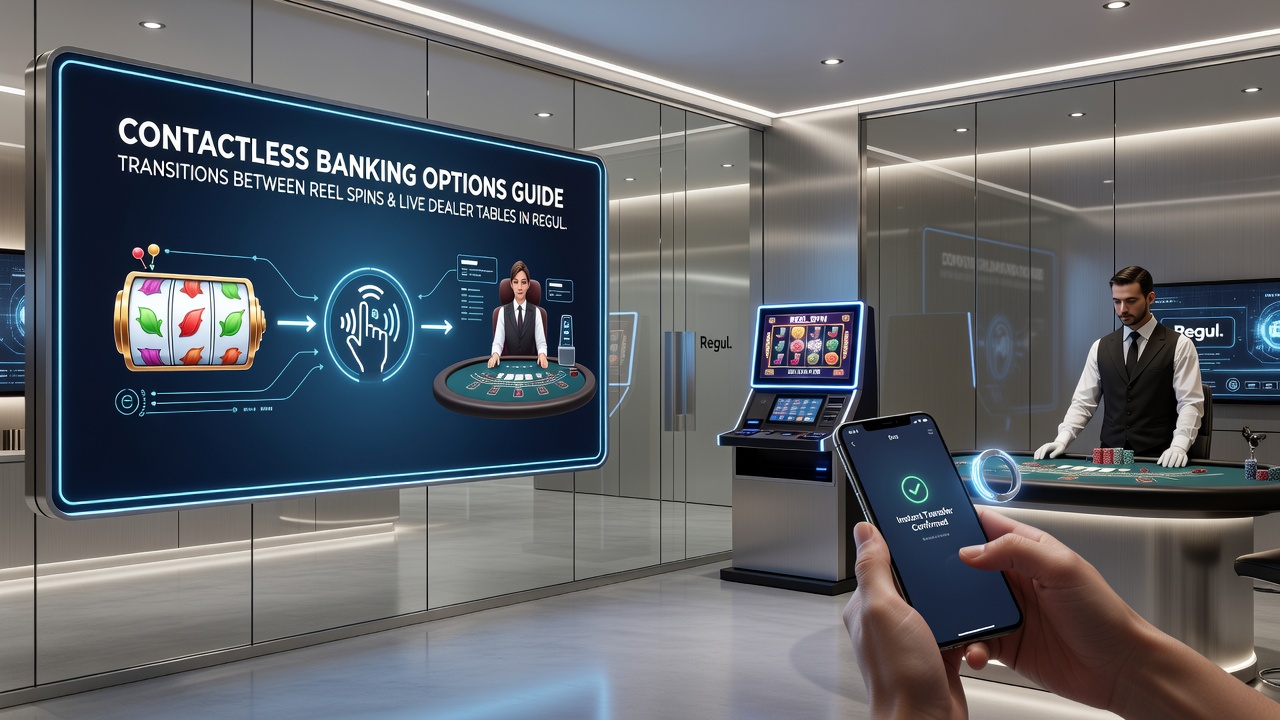
July 2026 brought expanded API connections between select banks and gaming operators that further streamlined these handoffs, allowing multi-currency options to appear automatically based on user location data while preserving audit trails required for regulatory oversight.
Observers note that the technology supports progressive jackpots on reels that feed into live table promotions, since contactless deposits can activate tiered rewards mid-transition without requiring players to restart verification processes.
Security and Compliance Frameworks
Tokenization combined with biometric prompts on mobile devices adds layers that align with broader financial regulations, and reports from the Bank for International Settlements highlight how contactless standards reduce fraud rates by over 60 percent compared to manual entry methods in high-volume sectors like gaming.
Platforms must log each transaction with timestamps and device identifiers, which enables monitoring teams to flag unusual patterns across both reel and live environments without slowing down legitimate player activity.
One study from Payments Canada on contactless trends showed similar patterns in other markets where adoption correlates with higher cross-game engagement, suggesting British implementations follow comparable trajectories through shared technical standards.
Impact on Session Duration and Balance Management
Users who rely on contactless options maintain consistent play across genres because replenishment happens without exiting the active window, and aggregated figures from platform operators reveal that average time spent on live tables rises when initial funding occurs through reel-based wins that carry over directly.
Bonus structures often tie deposit speed to eligibility windows, which contactless systems satisfy by confirming transfers before promotional timers expire, thereby guiding more players toward table formats after reel sessions conclude.
Conclusion
Contactless banking options continue to shape how accounts transition between reel spins and live dealer tables on regulated British platforms through speed, security, and real-time balance updates that keep sessions uninterrupted, while external data sources such as those from the Bank for International Settlements and Payments Canada underscore the broader reliability of these methods across regulated environments.