19 May 2026
Incentive Designs Promoting Shifts From Slots to Live Casino on Mobile Platforms
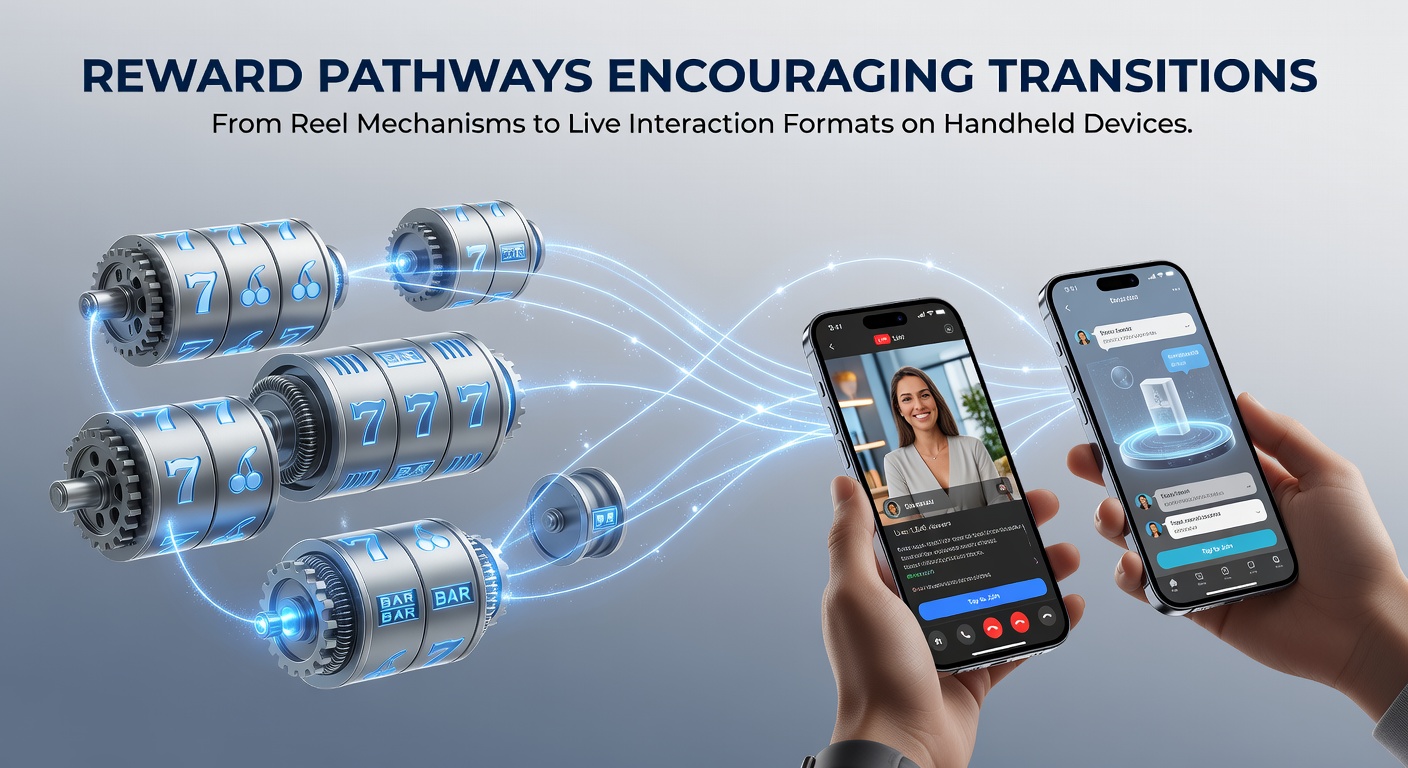
Digital platforms continue to refine reward structures that guide players away from traditional reel mechanics toward live interaction formats on handheld devices, and data from recent industry analyses highlight measurable changes in engagement patterns. Observers note that these incentive systems combine bonus credits, progression tiers, and timed challenges to create pathways that feel natural rather than forced. Research indicates that mobile users who begin with slot sessions often receive targeted prompts encouraging them to explore live dealer tables once certain play thresholds are met.
Figures released in May 2026 by the New Jersey Division of Gaming Enforcement showed a 14 percent rise in live casino session starts on mobile applications compared with the same period the previous year. Those who've studied user behavior patterns point out that reward pathways frequently activate after a player completes a set number of reel spins, converting accumulated loyalty points into live table credits or reduced commission rates on games such as roulette and blackjack. This approach keeps players within a single application while expanding their activity range.
Mechanics Behind Mobile Reward Pathways
Platforms implement layered reward systems that track both volume and variety of play. A player might spin reels for an initial period and then receive a notification offering matched funds specifically earmarked for live dealer sessions. Studies found that such targeted offers increase the likelihood of format transitions by linking the reward directly to the next activity rather than offering generic bonuses. Handheld devices benefit particularly from this model because push notifications and in-app messaging allow immediate delivery of incentives at the moment a user finishes a reel session.
Designers incorporate progression ladders where each completed slot level unlocks visual previews or small live table wagers. Data shows that users who accept these small entry-level live bets tend to extend session lengths when the transition feels incremental. What's interesting is how algorithms adjust reward values based on device type, with handheld sessions often receiving higher conversion bonuses to offset the shorter average attention spans recorded on mobile compared with desktop play.
Behavioral Data and Transition Patterns
Industry reports compiled by the European Gaming and Betting Association reveal that reward pathways achieve transition rates between 22 and 31 percent when they combine instant deposit matches with live table access. Players who move from reels to live formats typically maintain higher overall deposit activity across a seven-day window. Observers note that the success of these pathways depends on timing, with the strongest results occurring when offers appear within thirty seconds of a reel session ending.

Case studies from multiple operators indicate that players introduced to live interaction through reward pathways return to both formats rather than abandoning reels entirely. One analysis tracked a cohort who started exclusively with slots and found that 67 percent continued spinning reels while adding regular live dealer sessions after receiving structured incentives. The pathways therefore function as expansion tools instead of replacement mechanisms.
Technical Integration on Handheld Devices
Application developers embed reward tracking directly into the game client so that live dealer lobbies load with pre-applied bonuses visible from the first screen. Seamless wallet integration ensures that credits earned on reels transfer instantly to live tables without additional steps. Researchers discovered that reducing friction in this manner correlates with higher completion rates for transition challenges, particularly when the handheld interface displays remaining requirements in real time.
Security protocols maintain compliance across regions while still allowing rapid reward delivery. Operators in regulated markets outside the United Kingdom have implemented similar frameworks, and evidence suggests that transparent display of terms within the app further encourages players to explore live formats. Mobile operating systems support background tracking that lets pathways activate even when the application runs minimized, maintaining continuity between reel play and live dealer engagement.
Conclusion
Current evidence demonstrates that carefully constructed reward pathways successfully guide players from reel mechanisms toward live interaction formats on handheld devices. Metrics collected through May 2026 continue to show steady growth in cross-format activity when incentives align with natural play progression. Operators who refine these systems based on device-specific data and behavioral timing achieve sustained engagement across both reel and live environments without disrupting existing player preferences.