19 Jul 2026
Payment Pathways Bridging Mobile Slot Reels and Live Dealer Tables in UK Gaming
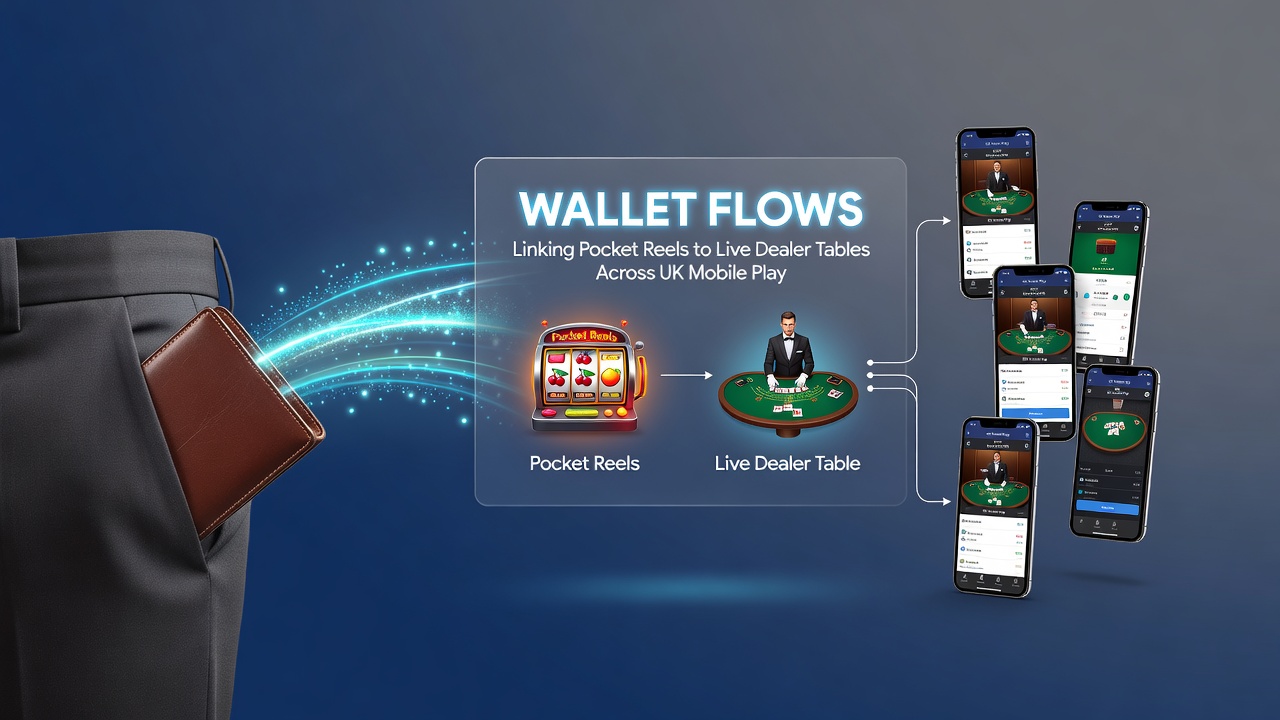
Digital wallets have become central to how players move funds across different game types on mobile devices throughout the United Kingdom, and observers note steady patterns where deposits initiated for slot reels often flow directly into live dealer sessions without separate banking steps. Research from industry analysts indicates these wallet systems support instant balance updates that allow seamless transitions while maintaining transaction records across both game categories.
Wallet Mechanics in Mobile Casino Environments
Modern mobile platforms integrate e-wallets and banking apps that handle deposits, withdrawals, and in-game transfers through unified interfaces, which means a single funding action can support extended play sessions that begin with reel-based games and shift toward real-time table interactions. Data from payment processors shows average transaction times under three seconds for internal fund movements, and this speed contributes to sustained engagement as balances remain accessible across game libraries. Experts at European regulatory bodies have documented similar structures where wallet providers maintain separate ledgers for different verticals yet permit cross-game access under player-controlled settings.
July 2026 brought updates to several payment APIs used by UK operators, allowing enhanced verification layers that reduce friction during game switches while complying with broader financial standards. Those who've examined transaction logs find that players frequently start sessions with smaller deposits aimed at slots before reallocating portions of winnings or remaining balances toward live dealer environments, and the underlying wallet architecture records these movements as distinct yet connected events.
Transaction Patterns Linking Reels to Tables
Studies of aggregated player data reveal recurring sequences where initial slot deposits trigger bonus activations that carry over into live table play, and wallet systems track these progressions through timestamped entries that help operators understand engagement flows. According to a European Gaming and Betting Association analysis, roughly 62 percent of mobile sessions involving both slots and live dealer options originate from a single wallet deposit rather than multiple funding events. This pattern holds because many platforms embed live table access within the same app ecosystem, eliminating the need for players to exit and re-authenticate through separate portals.
Wallet providers also implement features like instant balance syncing and temporary holds that prevent overdrafts during rapid game changes, and these tools support the observed migration from reel spins to card or wheel-based tables. Observers note that such mechanisms appear most frequently on iOS and Android applications where push notifications alert users to live table availability immediately after slot rounds conclude.
Regional Data and Emerging Trends
Figures compiled by international research groups indicate UK mobile casino activity accounts for a growing share of overall European gaming volumes, with wallet-mediated transfers representing the dominant payment method in 2026. A New South Wales gaming study cross-referenced with UK market reports shows comparable wallet usage rates across jurisdictions that permit regulated mobile play, highlighting how unified funding systems encourage multi-vertical participation. Players in these markets often maintain a primary wallet balance that services both automated reel games and interactive dealer sessions without requiring manual top-ups between formats.
Transaction monitoring tools employed by operators capture details such as average transfer amounts adn timing intervals, which researchers use to map typical pathways. Evidence suggests sessions that begin after 8 PM frequently demonstrate quicker shifts from slots to live tables, possibly due to longer available play windows and promotional incentives tied to wallet activity.
Operational Examples Across Platforms
Take one major UK-facing operator that introduced unified wallet dashboards in early 2026, where players can view slot-derived balances alongside live table eligibility in a single screen, and this integration has correlated with increased cross-genre activity according to internal metrics. Another case involves smaller providers that partner with third-party wallet services to offer multi-currency support, enabling seamless pound-to-euro conversions when live dealer tables feature international studios. Those who've reviewed anonymized datasets find these features reduce drop-off rates during game transitions.
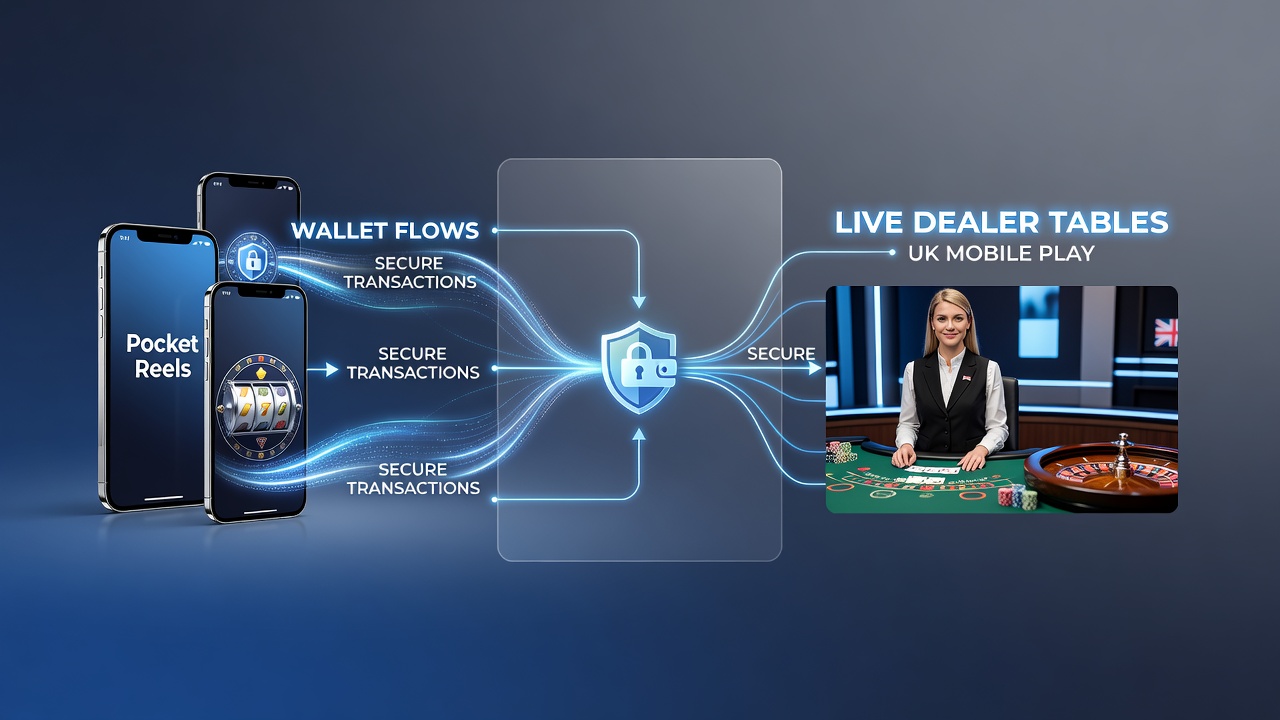
Security protocols embedded in wallet applications further facilitate these flows by using device-level authentication that persists across game switches, and compliance teams verify that all movements remain within established deposit limits. This infrastructure supports the documented continuity between reel-based and table-based play without introducing additional verification hurdles.
Conclusion
Wallet systems continue to shape how funds circulate between mobile slot reels and live dealer tables in UK gaming environments, with data indicating consistent patterns of single-deposit multi-game usage throughout 2026. Payment pathways that support rapid internal transfers underpin much of this activity, and ongoing refinements to API standards suggest further streamlining in coming periods. Regional comparisons reinforce that these dynamics reflect broader mobile payment trends rather than isolated market quirks, providing operators and analysts with clearer visibility into player movement across game types.