12 Jul 2026
Smartphone Contactless Systems Expand Routes for Progressive Jackpot Access and Live Dealer Participation
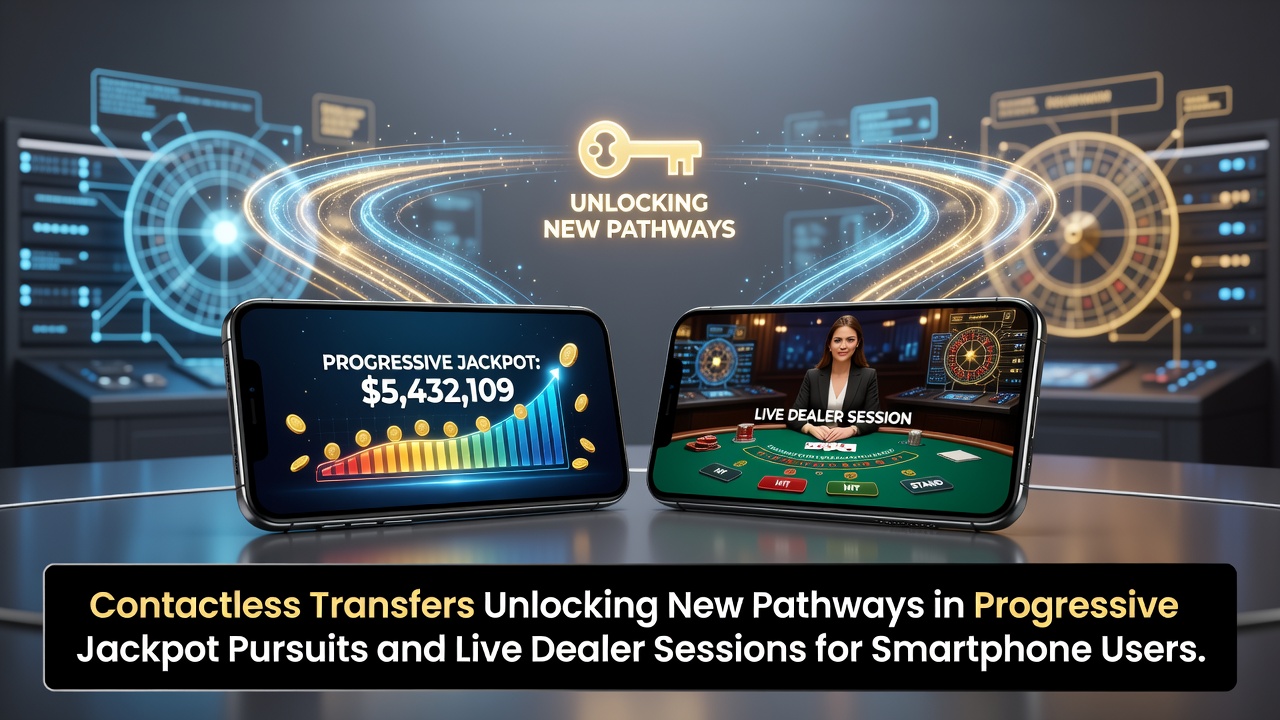
Smartphone users now rely on contactless transfers to move funds into casino accounts with a single tap, and this method supports both progressive jackpot slots and live dealer tables in equal measure. Data from regulatory bodies indicate that NFC-enabled payments have increased deposit speeds by measurable margins since their wider adoption across mobile platforms, allowing players to join ongoing jackpot pools or enter live sessions without delays associated with traditional card entries.
Operators integrate these transfers through established wallet services, and the process links directly to player accounts verified under regional licensing rules. In July 2026 several platforms updated their mobile interfaces to prioritize contactless options, resulting in higher transaction volumes during peak evening hours when live dealer tables typically see increased activity.
Mechanics Behind Contactless Integration
Contactless transfers operate through short-range wireless communication that authenticates payments in under two seconds, and this speed matters when progressive jackpots climb toward record levels that attract sudden rushes of participants. The same technology applies to live dealer environments where players must top up balances mid-session to place additional bets on roulette or blackjack without interrupting the dealer flow.
Security protocols require device-level biometrics alongside account PINs, and studies from payment security researchers confirm that tokenization keeps card details off casino servers. Observers note that these layers reduce certain fraud vectors that older deposit methods sometimes encountered during high-volume periods.
Progressive Jackpot Pathways
Progressive jackpot networks pool contributions across multiple titles, and contactless deposits let smartphone users add to the meter instantly when they spot a growing total. Figures from industry tracking services show that mobile-initiated entries now account for a rising share of total jackpot plays in markets where contactless support became standard earlier in the decade.
Players often maintain separate balances for jackpot pursuits versus regular slots, and seamless transfers between these categories happen through the same NFC interface. One documented case involved a single contactless sequence that funded participation across three linked progressive games within sixty seconds of a jackpot reset notification.
Live Dealer Session Support

Live dealer platforms stream real-time video from physical tables, and contactless funding allows participants to join mid-round without leaving the stream. According to data released by the Alcohol and Gaming Commission of Ontario, mobile contactless volumes for table games rose steadily through the first half of 2026, coinciding with expanded dealer shift schedules at partnered studios.
Smartphone interfaces display running totals and bet history alongside the payment prompt, so users complete a transfer and return to the table view in one continuous motion. This continuity proves useful during tournaments where late entries require quick balance adjustments.
Regional Patterns and Device Trends
Different licensing jurisdictions report varying adoption rates, yet the pattern remains consistent: markets with mature contactless infrastructure record higher mobile session lengths for both jackpot and live formats. A report from the Pennsylvania Gaming Control Board highlights that NFC transactions on approved apps exceeded earlier projections during the spring months leading into July 2026.
Device compatibility covers recent iOS and Android versions, and backward support extends to older models through software updates issued by wallet providers. Those who track usage statistics note that tablets see lower contactless percentages than phones, likely because pocket carry favors the smaller form factor for spontaneous sessions.
Future Infrastructure Considerations
Developers continue testing expanded contactless limits that could accommodate larger single transfers for high-stakes live tables. Regulatory updates expected after July 2026 may standardize reporting requirements for these payment types across additional regions, building on frameworks already in place in Ontario and Pennsylvania.
Conclusion
Contactless transfers have become a standard feature within smartphone casino applications, and their role in supporting progressive jackpot participation alongside live dealer access continues to grow through incremental platform updates. Available data from multiple regulatory sources confirm measurable increases in transaction speed and session continuity, while security measures remain aligned with broader payment industry standards. As device capabilities advance and more jurisdictions formalize rules around these methods, the pathways for mobile users in both jackpot and live dealer environments are expected to widen further.