9 Jun 2026
Tracing Victorian Social Rituals Through Modern Casino Player Pathways
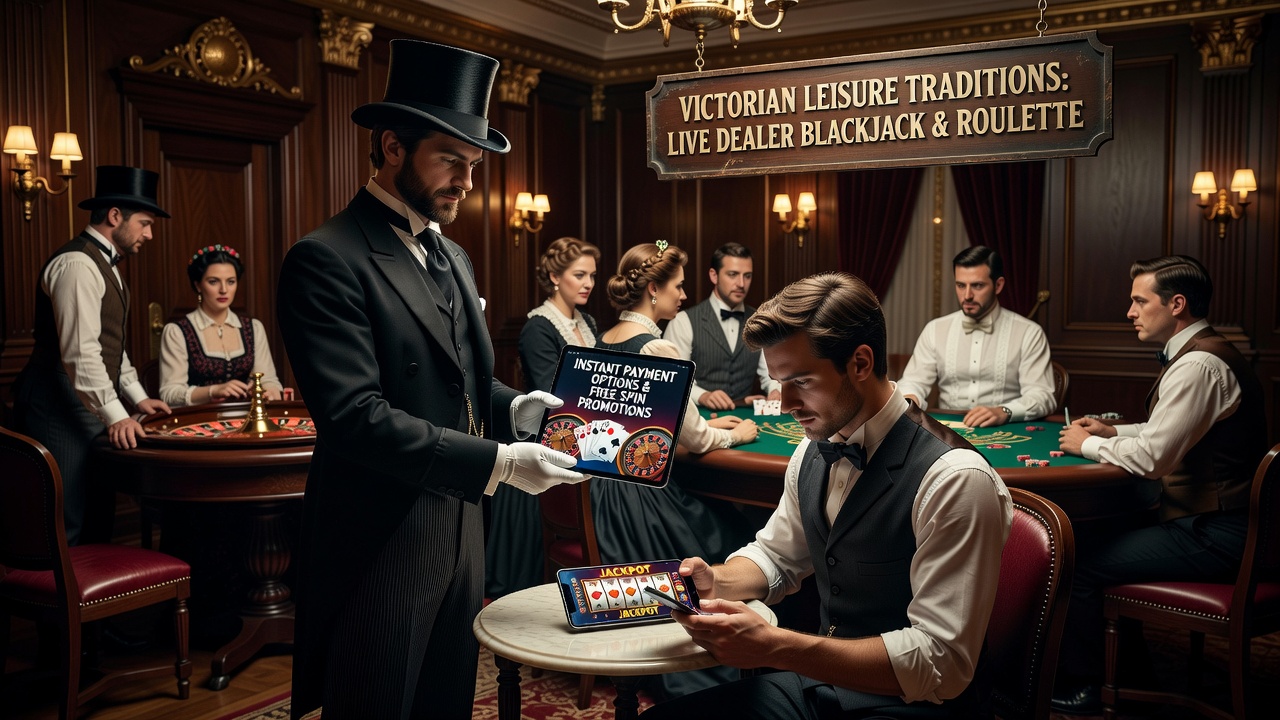 Victorian-era leisure traditions established patterns of structured social interaction and incentive-based participation that continue to shape how players approach casino games today, with observers noting parallels between 19th-century card parties and the shift from mobile reel sessions to live dealer blackjack and roulette tables facilitated by instant payment options along with free spin promotions. Gentlemen’s clubs and private drawing rooms hosted regular gatherings where strategy games like whist and faro combined with conversational elements, creating environments where participants moved fluidly between different forms of entertainment while relying on established credit arrangements for seamless continuation of play. Data from industry analyses shows that many modern players begin sessions on mobile slots yet progress toward live dealer formats when promotions mirror the invitation systems common in Victorian social calendars. Free spin offers function similarly to complimentary entries at seasonal balls or club events, encouraging extended engagement without immediate financial commitment. Instant payment methods replicate the efficiency of account settlements used in those earlier clubs, where members settled debts promptly to maintain standing and access further activities.
Historical Foundations of Structured Entertainment
Victorian society placed emphasis on organized pastimes that blended chance with skill, as documented in contemporary accounts of assembly rooms and private salons where roulette-style wheels appeared alongside card tables. These settings encouraged gradual transitions between game types, much as current platforms guide users from automated reels to interactive tables through layered bonus structures. Researchers at academic institutions have identified recurring motifs where social prestige attached to participation in multiple game formats, a dynamic that persists when players leverage deposit incentives to access live environments.
June 2026 reports from European gaming associations highlight increased uptake of live dealer options among users who previously focused on digital slots, with payment speed cited as a primary factor in the movement. Such patterns align with Victorian credit systems that allowed immediate re-entry into ongoing events once accounts were settled, reducing friction and sustaining momentum across different leisure pursuits.
Payment Systems and Promotional Mechanisms as Modern Equivalents
Instant payment solutions enable the same kind of uninterrupted flow that characterized Victorian club accounts, where members could draw on established lines of credit during extended evenings of play. Free spin promotions serve as entry points that parallel the complimentary rounds or starter tokens sometimes distributed at private gatherings to encourage broader participation. Those who have examined player data note that individuals often test multiple game categories within a single session once initial barriers are removed through these mechanisms.
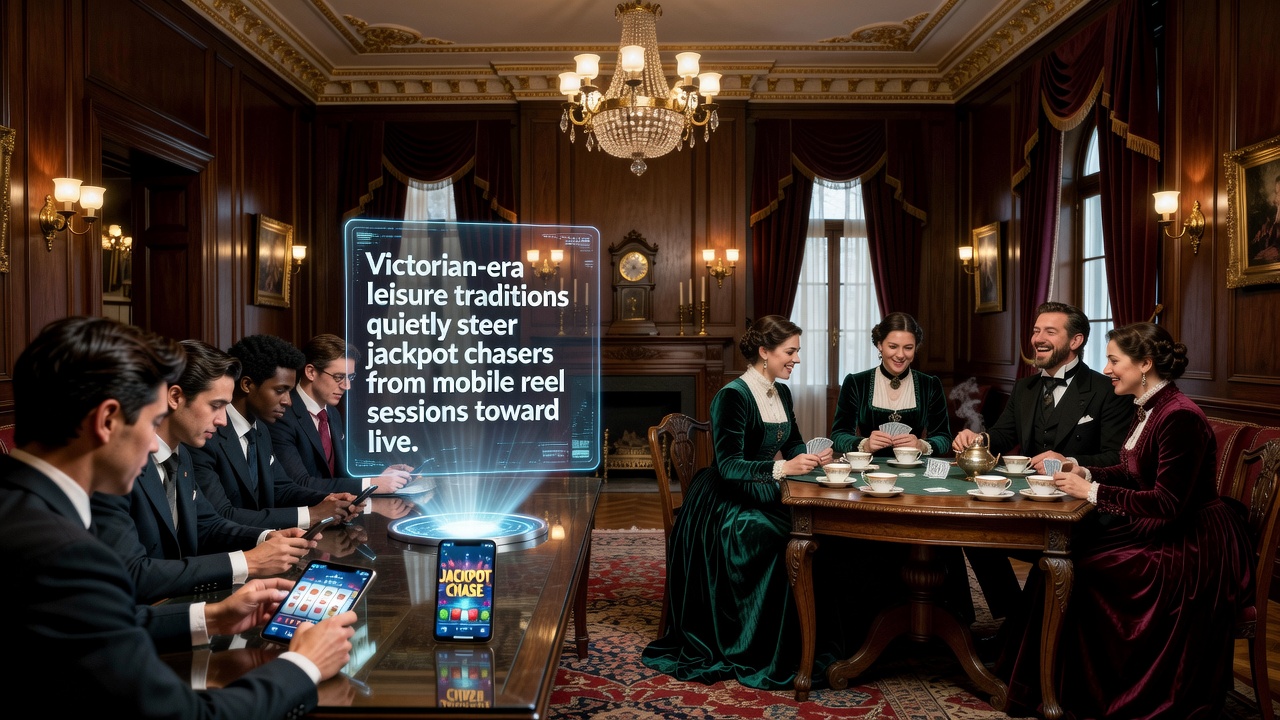
According to studies published in the Journal of Gambling Studies, transitions between game types increase when promotional tools reduce perceived risk at the outset. The structure echoes Victorian practices where hosts provided small stakes or tokens to guests, allowing newcomers to sample various tables before committing personal funds. Live dealer blackjack and roulette tables recreate the communal atmosphere of those earlier rooms, complete with visible dealers and real-time interaction that automated formats lack.
Player Movement Patterns Observed in Recent Data
Figures released by the Australian Gambling Research Centre in mid-2026 reveal that a significant portion of slot-focused accounts later engage with live table products after receiving targeted bonus sequences. This movement occurs most frequently when deposit processing completes within seconds, mirroring the immediate account updates maintained in Victorian-era ledgers. Observers note that the combination of promotional access and rapid funding creates pathways reminiscent of how social calendars directed participants from one event to another throughout an evening.
Canadian research institutions have documented similar sequences where initial slot activity gives way to table games once users experience the social cues provided by live dealers. These cues parallel the verbal exchanges and shared anticipation found in 19th-century gaming assemblies, where participants encouraged one another across different formats. Instant payment options and free spin promotions act as the connective tissue, allowing players to maintain engagement without logistical interruptions that might otherwise halt progression.
Conclusion
Victorian leisure traditions established frameworks of social continuity and incentive-driven participation that find contemporary expression in the mechanisms guiding players from mobile reel sessions to live dealer blackjack and roulette tables. Instant payment options and free spin promotions replicate the efficiency and accessibility once provided by club credit systems and event invitations. Reports from June 2026 onward continue to track these patterns, confirming that historical structures of organized entertainment still influence how individuals navigate casino environments today.